
UK UFC Fighter Analysis: Evaluating Matchups and Statistics
 Available in US

The difference between profitable UFC bettors and those who consistently lose often comes down to fighter analysis quality. While casual fans might pick winners based on name recognition or recent highlight reels, serious bettors develop systematic approaches to evaluating competitors that reveal edges invisible to the general public. Combining physical attribute data with proven UFC betting strategies is the most reliable way to build a profitable long-term record.
Fighter analysis for betting purposes differs from fan appreciation. Entertainment value matters little when money is on the line. Instead, the focus shifts to predictive factors: which attributes translate into victory against specific opponents, how skills have evolved or declined over time, and what contextual factors might influence performance on fight night. This analytical framework transforms watching fights from passive consumption into active intelligence gathering.
This guide presents a comprehensive methodology for analyzing UFC fighters with betting implications in mind. From physical measurables to statistical deep dives, from striking breakdowns to grappling assessments, what follows provides the tools necessary to evaluate matchups with the rigor that profitable wagering demands. The goal is not merely understanding fighters but understanding them well enough to identify when betting markets have mispriced their chances.
Evaluating Fighter Physical Attributes for Betting Value

Physical characteristics establish the parameters within which technical skills operate. Two equally skilled strikers produce different outcomes when one enjoys significant reach advantages. Understanding how physical attributes translate into fighting advantages—and when they do not—provides essential context for matchup analysis.
Height and reach advantages matter most in striking-centric matchups where distance management determines success. A fighter with a six-inch reach advantage can theoretically land strikes from distances where their opponent cannot counter effectively. However, reach advantages require technical ability to utilize properly. Fighters who prefer close-range exchanges or lack jabs to establish distance often fail to capitalize on physical gifts. When analyzing reach disparities, ask whether the longer fighter actually uses their range or whether they allow opponents to close distance and negate the advantage.
The relationship between height and reach is not always proportional, creating interesting analytical opportunities. Some fighters possess reach exceeding their height due to wingspan, while others have shorter arms relative to their frames. A six-foot fighter with 76-inch reach differs significantly from one with 72-inch reach despite identical height. Reach-to-height ratios sometimes reveal advantages that simple height comparisons miss.
Weight class considerations extend beyond the obvious. Fighters compete at contracted weights that may differ substantially from their natural sizes. A welterweight who cuts from 190 pounds brings different physical tools than one walking around at 175. Size advantages within weight classes create meaningful edges, particularly in grappling exchanges where mass influences control and submission defense. Understanding which fighters cut heavily versus those competing closer to natural weight reveals physical dynamics that official weight class designations obscure.
Natural weight versus fight weight affects performance in ways beyond size. Severe weight cuts compromise cardio, durability, and recovery between rounds. Fighters known for difficult cuts sometimes show diminished chins or fade in later rounds as dehydration effects linger despite rehydration. When a fighter with historically tough cuts faces an opponent known for deep cardio, the weight cut factor adds analytical dimension beyond pure skill comparison.
Age and athletic prime intersect differently across fighting styles. Explosive athletes relying on speed and power often decline earlier than technical fighters whose games depend less on physical attributes. Wrestlers may maintain effectiveness longer than pure strikers because grappling technique compensates for athletic erosion. A 35-year-old submission specialist presents different decline concerns than a 35-year-old knockout artist whose game requires reflexes and hand speed.
Evaluating age requires contextual awareness rather than arbitrary cutoffs. Some fighters show decline at 32 while others compete effectively past 40. Activity level matters—fighters with extensive amateur backgrounds and long professional careers accumulate more damage than those who started later. Injury history accelerates decline timelines. Recent performance trends matter more than birth certificates, but age flags potential concerns worth investigating through film study and statistical analysis.
Physical attributes establish possibilities but do not determine outcomes. Technical skill, tactical intelligence, and mental factors frequently overcome physical disadvantages. The analytical value lies in understanding what physical tools each fighter brings and whether matchup dynamics allow those tools to matter. A reach advantage means nothing if the shorter fighter can consistently close distance; a size advantage evaporates if the smaller fighter’s speed prevents clinch entries.
Striking Analysis

Striking effectiveness determines outcomes in most UFC fights, making this the most critical analytical domain for bettors. Understanding striking goes beyond counting knockouts to encompass accuracy, volume, defensive ability, and stylistic nuances that create advantages against specific opponents.
Significant strikes per minute measures offensive output and provides baseline comparisons between fighters. High-volume strikers landing seven or more significant strikes per minute create constant pressure, while lower-output fighters around three per minute typically rely on counter-striking or grappling-heavy approaches. Neither approach is inherently superior—what matters is whether a fighter’s output style matches favorably against their opponent’s defensive capabilities and preferred pace.
Striking accuracy percentage reveals efficiency that raw volume obscures. A fighter landing 55% of attempted strikes extracts more damage per exchange than one connecting at 40%, assuming similar power levels. High accuracy often indicates technical proficiency, good timing, and intelligent shot selection. When accurate strikers face opponents with poor defensive percentages, the combination frequently produces lopsided striking exchanges regardless of supposed skill parity.
Strikes absorbed per minute indicates durability requirements and defensive engagement. Fighters absorbing high volumes either possess exceptional chins or defensive deficiencies requiring attention. Context matters enormously here—a pressure fighter moving forward will absorb more strikes than a counter-puncher who engages selectively. Comparing absorbed strikes to landed strikes creates differential metrics showing who wins exchanges over time.
Striking defense rate measures the percentage of incoming strikes avoided through head movement, footwork, and blocking. Elite defensive strikers avoid 65% or more of strikes, while porous defenders might absorb over half of incoming volume. Defensive ability becomes crucial when facing power punchers where single shots carry knockout potential. A fighter with middling defensive numbers facing a one-punch knockout artist presents concerning risk regardless of other credentials.
Power versus volume represents a fundamental stylistic distinction requiring different analytical approaches. Power strikers seek fight-ending opportunities through individual shots, accepting lower output in exchange for concussive potential on connections. Volume strikers accumulate damage through sustained output, winning rounds through activity and occasionally producing stoppages through accumulation rather than single blows. Matchup analysis must account for which approach each fighter employs and how opponents have historically handled similar styles.
Stance and distance preferences shape how striking exchanges unfold. Orthodox versus southpaw matchups create different angles and timing challenges than same-stance fights. Fighters comfortable at range who utilize jabs and movement differ from those preferring pocket exchanges where hooks and uppercuts dominate. When a long-range technician faces a pressure fighter who excels in close, the battle for distance becomes the fight’s central dynamic.
Head kicks, body work, and leg kicks each serve distinct tactical purposes worth tracking. Head kick knockouts produce highlights, but consistent leg kicking degrades mobility and creates openings for other attacks. Body work compounds over rounds, affecting cardio and lowering guards. Fighters with diverse attack targets prove harder to defend than those focusing exclusively on headhunting.
Grappling Analysis
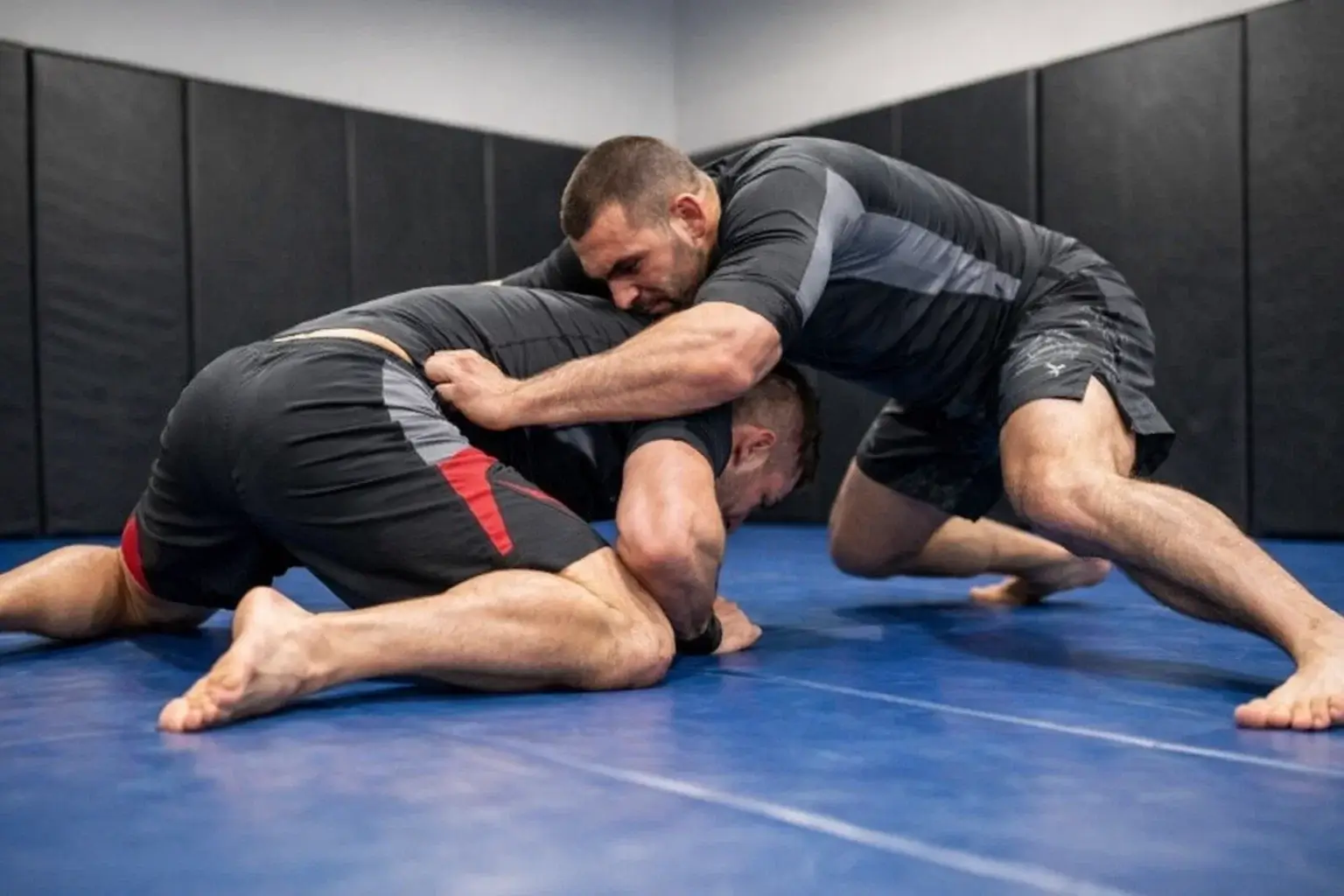
Grappling encompasses wrestling, clinch work, and ground fighting—all areas where technical advantages can neutralize striking superiority. Bettors who neglect grappling analysis miss crucial matchup dynamics that frequently determine fight outcomes regardless of perceived striking edges.
Takedown accuracy measures offensive wrestling effectiveness. Fighters completing 50% or more of takedown attempts possess reliable means of bringing fights to the mat, while those below 30% struggle to implement grappling gameplans. Raw accuracy numbers require context—completing takedowns against elite defensive wrestlers differs from padding statistics against strikers with minimal wrestling backgrounds.
Takedown defense represents perhaps the single most important grappling statistic for betting analysis. Fighters defending 85% or more of attempts can generally keep fights standing, allowing striking skills to determine outcomes. Those with sub-70% defense face constant threats of being grounded, potentially negating any standup advantages. When evaluating striker versus grappler matchups, takedown defense percentages provide crucial data points for assessing whether the striker can actually implement their preferred gameplan.
Submission offense requires examining both attempts and completions. Fighters who consistently hunt submissions create finishing threats whenever fights reach the ground. However, submission attempts can also indicate inability to maintain top control—some fighters go for submissions because they cannot hold dominant positions through pure wrestling. Distinguishing between dangerous submission artists and fighters using submission attempts as positional escapes requires film study beyond statistics.
Control time metrics reveal grappling dominance that submission and ground strike numbers might miss. Fighters who achieve top position and maintain it for extended periods win rounds and exhaust opponents regardless of finish attempts. Extended control time against skilled opponents indicates genuine grappling superiority, while similar numbers against pure strikers with no ground games means less.
Ground and pound effectiveness bridges grappling position and striking damage. Some fighters achieve top control but lack ability to generate offense, allowing opponents to survive and potentially return to feet. Others rain damaging strikes from dominant positions, turning takedowns into round-winning or fight-ending sequences. Evaluating whether a wrestler can damage grounded opponents determines how much their takedown ability actually impacts likely fight outcomes.
Guard work and submission defense from bottom position matters when evaluating how fighters handle being taken down. Some strikers with poor takedown defense nonetheless survive adequately once grounded through active guards, submission threats, and the ability to return to feet. Others become completely neutralized once their backs hit the canvas. Understanding bottom position competence reveals whether takedowns will be fight-altering or merely round-affecting.
Clinch fighting occupies the space between pure striking and ground grappling. Fighters who excel in clinch positions—whether through dirty boxing, trips, or knees—can dominate cage exchanges that neither pure strikers nor pure wrestlers prefer. When two fighters with contrasting styles meet, clinch dynamics often determine which fighter can implement their preferred gameplan.
Scramble ability indicates how fighters handle transitional grappling moments. Some competitors excel in established positions but struggle during scrambles; others thrive in chaotic exchanges where athleticism and instincts matter more than technical positioning. High-level scrambling can neutralize takedowns by enabling quick returns to feet or even reversals that turn defensive situations into offensive opportunities.
Fight History Deep Dive
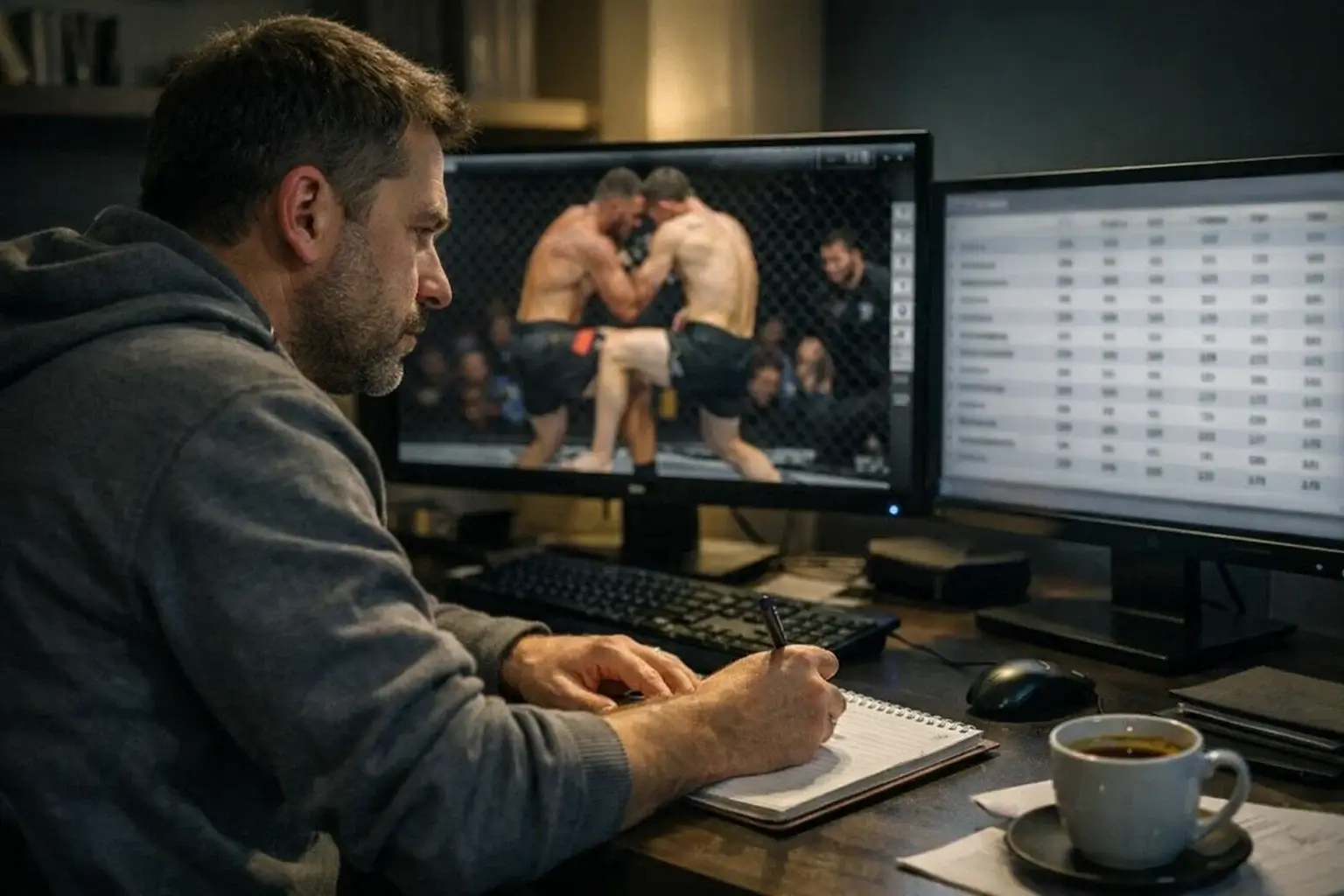
Past performance provides the foundation for future predictions, but extracting useful signal from fight histories requires more sophistication than checking win-loss records. Context around victories and defeats matters as much as outcomes themselves.
Quality of opposition determines how much weight to assign historical results. A fighter with ten consecutive wins against regional competition and UFC newcomers has proven less than one with six wins against ranked opponents. Strength of schedule analysis—examining who each fighter has actually beaten—separates inflated records from genuine credentials. Losses to elite competitors sometimes indicate higher ceilings than victories over journeymen.
Recent performance trends reveal trajectories that career aggregates obscure. A fighter might hold impressive career statistics while their last three performances show concerning decline. Conversely, young fighters often improve dramatically between bouts, making early career struggles less predictive than recent form. Weighting recent performances more heavily than distant ones typically improves analytical accuracy, though significant career victories retain relevance for establishing capability ceilings.
Finish rates over time can signal changing effectiveness. A knockout artist who has gone to decision in their last four fights might have lost power, faced tougher competition, or adjusted their style—each possibility carrying different implications. Similarly, a wrestler who has started finishing fights after years of decisions might have developed new skills or benefited from favorable matchmaking. Tracking how finish patterns evolve reveals more than static career percentages.
Recovery after losses shows mental resilience and adaptability. Some fighters bounce back from defeats with improved performances showing addressed weaknesses. Others enter decline spirals where losses compound psychological damage. Examining post-loss performances—how quickly fighters returned, whether they showed adjustments, and whether confidence appeared affected—adds psychological dimension to technical analysis.
Performance under pressure in high-stakes situations separates competitors. Championship fights, main events, and crucial contender bouts reveal how fighters handle spotlight moments. Some athletes elevate when stakes increase while others tighten up under pressure. Historical performance in significant fights provides data points for predicting behavior in future high-pressure spots, though small sample sizes limit confidence.
How fighters have handled adversity during fights matters as much as outcomes. Being dropped and recovering to win demonstrates durability and composure. Surviving bad rounds and adjusting tactics shows fight IQ and adaptability. Reviewing how fighters responded to in-fight challenges reveals intangibles that statistics cannot capture but that frequently determine close contests.
Intangible Factors

Beyond measurable statistics and observable techniques, intangible factors influence fight outcomes in ways that create betting edges for those who track them. These elements require qualitative assessment rather than quantitative measurement but prove no less important to comprehensive fighter analysis.
Training camp quality shapes preparation in ways that affect fight night performance. Elite camps provide world-class sparring partners, experienced coaches, and sophisticated gameplanning. Fighters at top gyms benefit from collective intelligence accumulated across numerous successful campaigns. When evaluating matchups, consider whether fighters have access to appropriate preparation—a striker facing an elite wrestler ideally needs wrestling-heavy sparring to simulate fight conditions.
Coach and corner analysis adds another dimension to fighter evaluation. Experienced corners make crucial between-round adjustments and maintain fighter composure during adversity. Some coaches consistently produce fighters who improve throughout contests while others seem to offer little beyond generic encouragement. Corner quality becomes particularly relevant in close fights where tactical adjustments can swing outcomes.
Camp changes and coaching splits sometimes precede performance shifts. Fighters leaving established camps might improve with fresh perspectives or might lose the support systems underlying their success. New coaching relationships require time to develop, and first fights after significant camp changes carry additional uncertainty worth noting.
Mental toughness indicators emerge through careful observation of fighter behavior and historical patterns. How does a fighter respond to trash talk and pre-fight mind games? Do they perform consistently regardless of crowd hostility or support? Have they shown ability to execute gameplans when initial approaches fail? Mental attributes prove difficult to quantify but consistently influence outcomes in competitive matchups.
Weight cut reports and fight week observations provide intelligence about likely physical condition. Fighters who appear drawn and depleted at weigh-ins may have compromised their bodies in ways affecting fight night performance. Social media posts, press conference demeanor, and reported training camp news sometimes surface concerns worth factoring into analysis.
Motivation levels vary across fighters and fights in ways affecting effort and focus. A fighter on a losing streak facing potential release might show desperation-fueled performance increases. Conversely, champions defending against perceived lesser opponents sometimes show diminished intensity. Contract situations, personal circumstances, and career positioning all influence motivation in ways that fighters rarely discuss publicly but that manifest in octagon performances.
Stylistic evolution indicates whether fighters are improving or stagnating. Those who add new techniques, address previous weaknesses, and demonstrate growing fight IQ present different betting propositions than fighters whose games have remained static for years. Tracking how fighters develop between bouts reveals whether they are likely to surprise opponents with new looks or produce predictable performances.
Putting It All Together
Effective fighter analysis synthesizes physical attributes, statistical profiles, stylistic tendencies, historical performance, and intangible factors into coherent assessments. Creating structured fighter profiles for each competitor standardizes this process and ensures consistent analytical depth.
A useful fighter profile template includes physical measurements with context, key statistical indicators with opposition quality notes, primary skills and stylistic approach, identified weaknesses, recent trajectory assessment, and relevant intangibles. Completing such profiles before examining betting lines prevents odds from anchoring analytical conclusions.
Head-to-head comparison then examines how specific attributes interact in the matchup. Where does each fighter hold advantages? Which fighter’s strengths attack the opponent’s weaknesses? What determines where the fight takes place—standing, clinch, or ground? Working through these questions systematically reveals likely fight dynamics that inform both winner predictions and specific bet type selections.
Tools and Resources
UFCStats.com provides the most comprehensive free statistical database for UFC fighters. The site offers career statistics, fight-by-fight breakdowns, and striking plus grappling metrics essential for quantitative analysis. Learning to navigate its interface efficiently accelerates research processes.
Tapology serves as an invaluable resource for fight histories, including regional and international bouts that UFC statistics might not cover. Complete professional records with opponent information help assess strength of schedule and identify experience gaps.
Sherdog maintains extensive fighter databases with news archives useful for tracking career developments, camp changes, and injury histories. The forums, while requiring critical evaluation, sometimes surface information and perspectives that enhance analysis.
Video platforms provide fight footage essential for qualitative assessment beyond statistics. Watching actual performances reveals technical details and stylistic nuances that numbers cannot convey.
Conclusion
Analyzing UFC fighters for betting requires systematic approaches combining quantitative statistics with qualitative observations. Physical attributes establish parameters, striking and grappling metrics reveal technical capabilities, fight histories provide context, and intangible factors add dimensions that statistics miss. Stay updated with the latest fighter statistics and odds on our ultimate MMA betting resource.
Developing analytical frameworks takes time and refinement, but the investment separates informed bettors from those relying on intuition alone. The fighters who succeed in the octagon prepare methodically for each opponent. Bettors seeking consistent success should approach their analysis with comparable rigor.
Created by the ”ufc Betting” editorial team.