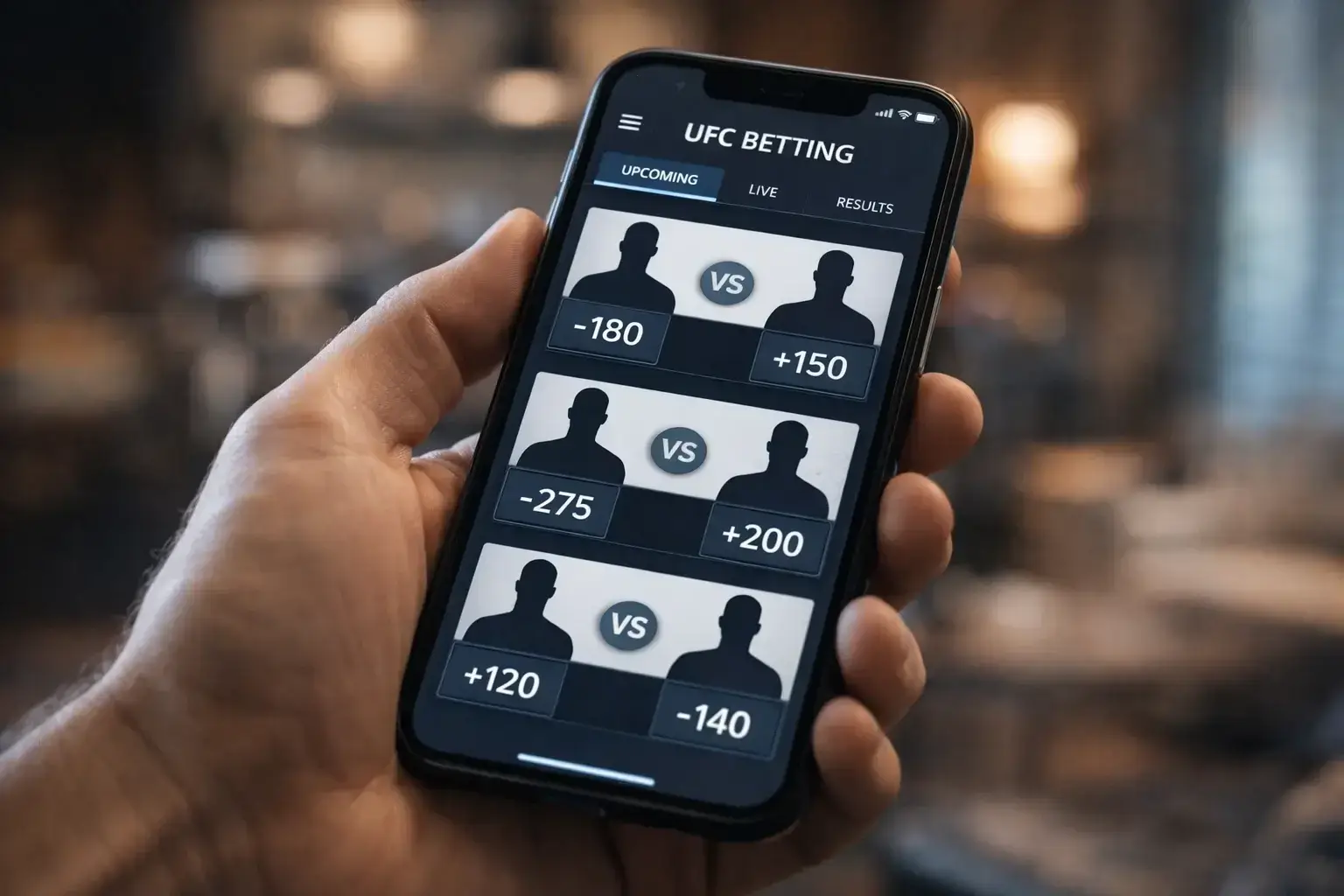
UK UFC Betting Picks: Fight Predictions and Undercard Value
 Available in US

Making UFC picks that actually win requires more than gut feelings and fighter loyalty. The bettors who profit consistently approach fight selection as a structured process, combining systematic analysis with disciplined execution. They understand that successful predictions emerge from repeatable methodologies rather than occasional flashes of insight.
The challenge of UFC picking lies in the sport’s inherent unpredictability. Unlike team sports with larger sample sizes and more predictable variance, individual combat introduces chaos that even excellent analysis cannot fully tame. A single punch can invalidate fifteen minutes of dominance. This reality demands both analytical rigor and appropriate humility about what predictions can achieve.
This guide presents a framework for developing UFC picks that balance thorough analysis with practical execution. From understanding card structures to building weekly research processes, what follows provides the tools necessary to approach fight selection with the discipline that profitable betting requires. The goal is not predicting every fight correctly—an impossible standard—but rather identifying situations where your analysis creates genuine edge over available odds.
Analyzing UFC Fight Card Structure for Wagering Opportunities
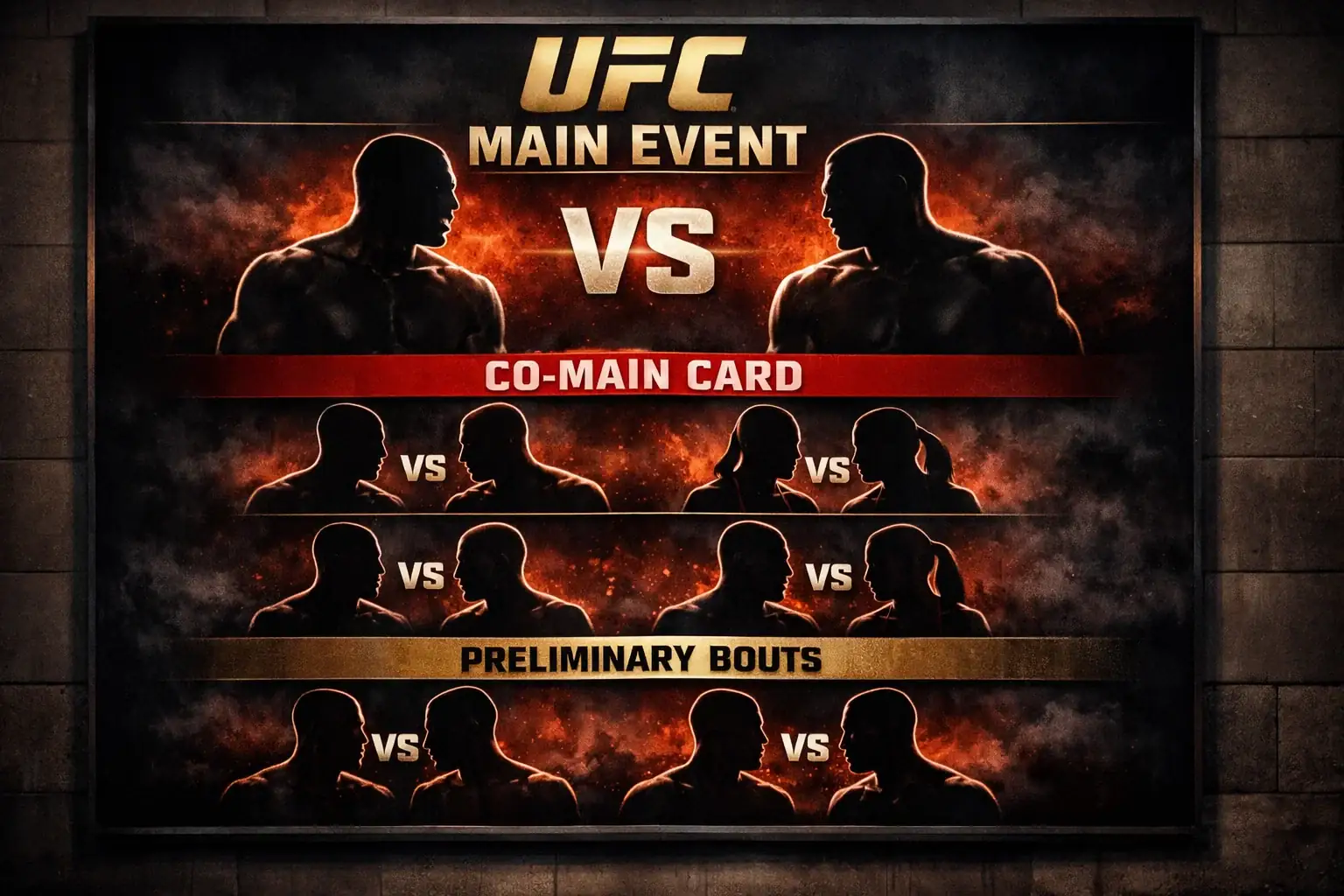
UFC events follow consistent formats that create different betting dynamics across card segments. Recognizing these structural patterns helps bettors allocate research time efficiently and identify where various types of opportunities tend to appear.
Main card versus preliminary fights represents the fundamental division. Main cards feature established fighters in matchups the UFC considers most marketable, typically comprising five fights including the headliner. Preliminary cards showcase developing talent, regional fighters making UFC debuts, and veterans in less prominent matchups. The distinction matters for betting because market attention and pricing efficiency differ substantially between segments.
Title fights carry unique characteristics affecting pick development. Championship bouts extend to five rounds, fundamentally changing how cardio, pacing, and accumulation matter compared to three-round fights. Champions enjoy advantages in experience with the five-round format that challengers making first title attempts lack. Historical data shows champions winning at elevated rates partly because the extended format favors their preparation and experience.
UFC numbered events—the pay-per-views—stack deeper talent than Fight Night cards. Multiple ranked fighters, potential title eliminators, and higher-profile matchups concentrate on these premium events. The concentration of quality creates different betting dynamics than Fight Night cards where talent disparities between main and preliminary fights can be more pronounced.
Fight Night cards air on ESPN or streaming platforms without pay-per-view charges, occurring more frequently than numbered events. These cards often feature regional main events highlighting fighters from the host country or emerging contenders building toward title contention. The lower profile sometimes means less sharp attention from betting markets, potentially creating opportunities that disappear on higher-profile pay-per-view cards.
International event considerations add complexity for bettors in US time zones. Cards in Abu Dhabi, Australia, or Europe feature different start times and sometimes showcase regional fighters unfamiliar to casual American audiences. The relative obscurity of some international competitors can create market inefficiencies when betting public attention focuses elsewhere.
Dana White’s Contender Series operates separately from the main UFC calendar, showcasing prospects competing for UFC contracts. These fights feature less experienced competitors with smaller statistical samples, creating both opportunity and risk for bettors willing to research beyond the main roster.
Understanding where each fight sits within these structural categories informs research depth and betting approach. Main event championship fights warrant maximum analytical investment given their prominence and the extended format’s unique dynamics. Preliminary fights on regional cards might offer value through market inefficiency but demand careful evaluation of whether adequate information exists to form confident opinions.
Pre-Fight Analysis Framework
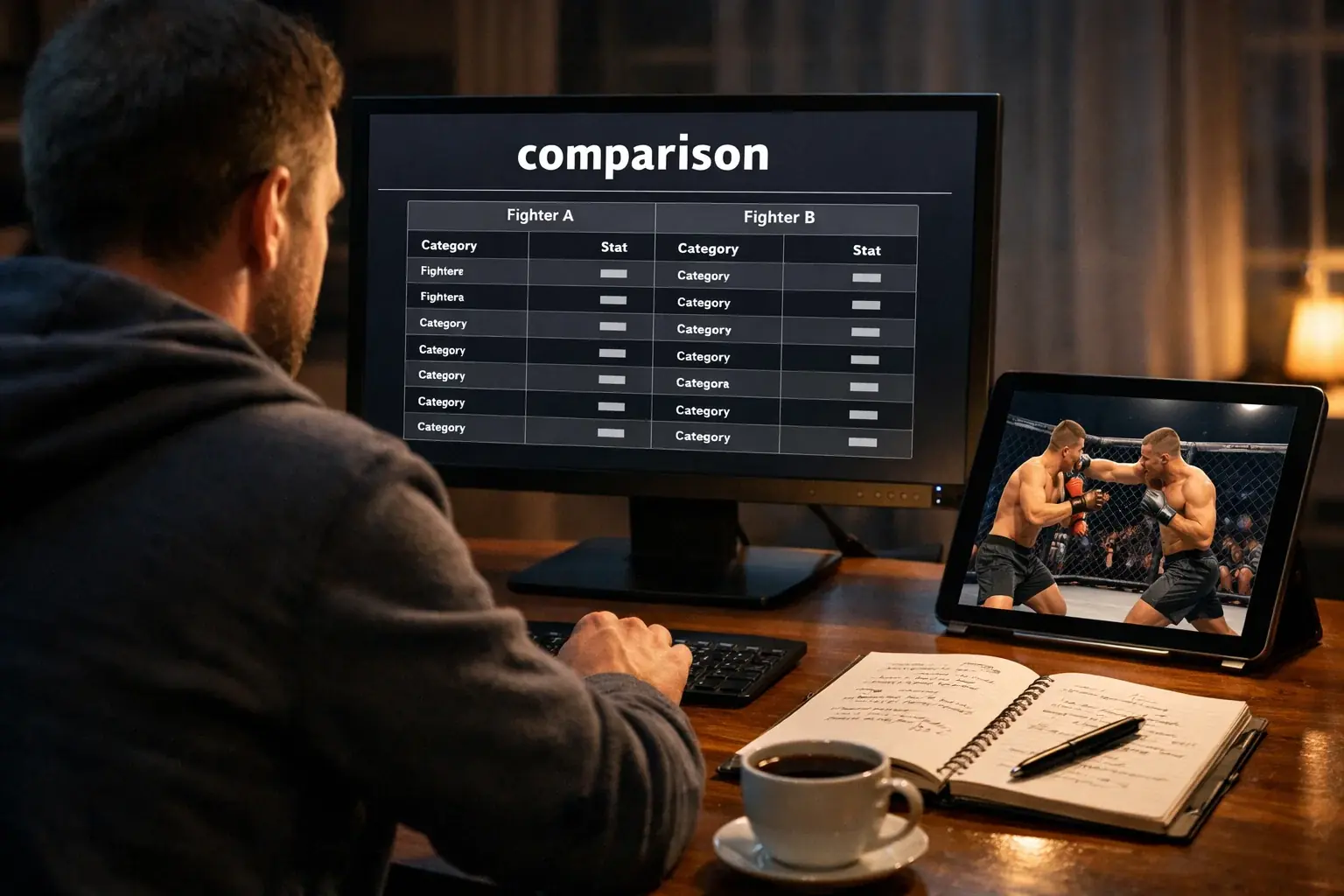
The week before a UFC event provides crucial windows for gathering intelligence that shapes final picks. Structured approaches to fight week analysis ensure you capture relevant information without drowning in noise that does not actually predict outcomes.
Early week analysis establishes baseline positions before fight week developments introduce new variables. By Monday or Tuesday, you should have preliminary assessments of each fight based on fighter histories, statistical profiles, and style matchup analysis. These initial views provide anchors against which to evaluate later information—knowing where you stood before fight week helps distinguish genuine new intelligence from confirmation bias.
Midweek research deepens understanding of specific matchup dynamics. This period suits detailed film study, examining recent performances from both fighters with attention to how their current skills might interact. Training camp reports, injury updates, and insider information often surface during this window. MMA media coverage intensifies, providing interviews and analysis that occasionally reveal tactical intentions or physical concerns worth noting.
Weigh-in observations on Friday provide the final major intelligence gathering opportunity before fights. How fighters look on the scale—drawn and depleted versus healthy and energized—sometimes indicates weight cut difficulty that could affect performance. Post-weigh-in demeanor during staredowns occasionally reveals confidence levels or psychological states, though reading too much into brief interactions courts overinterpretation.
Final odds movement in the hours before events reflects late sharp action and public betting patterns. Significant line movements without obvious news explanations often indicate informed money entering the market. While chasing line movement rarely generates edge—by the time movements become visible, value may have disappeared—understanding what late moves signify adds context to final betting decisions.
Last-minute intel sources including social media, MMA forums, and reporter updates sometimes surface information about training camp issues, minor injuries, or other factors that mainstream coverage missed. Developing networks that surface such information provides advantages, though verifying reliability before acting on unconfirmed reports remains essential.
Synthesizing fight week information with pre-existing analysis produces final pick positions. The goal is not changing views based on every piece of new information but rather updating assessments when genuinely significant developments occur. Maintaining conviction in well-researched positions despite noise requires confidence in your analytical process.
Making Main Event Picks
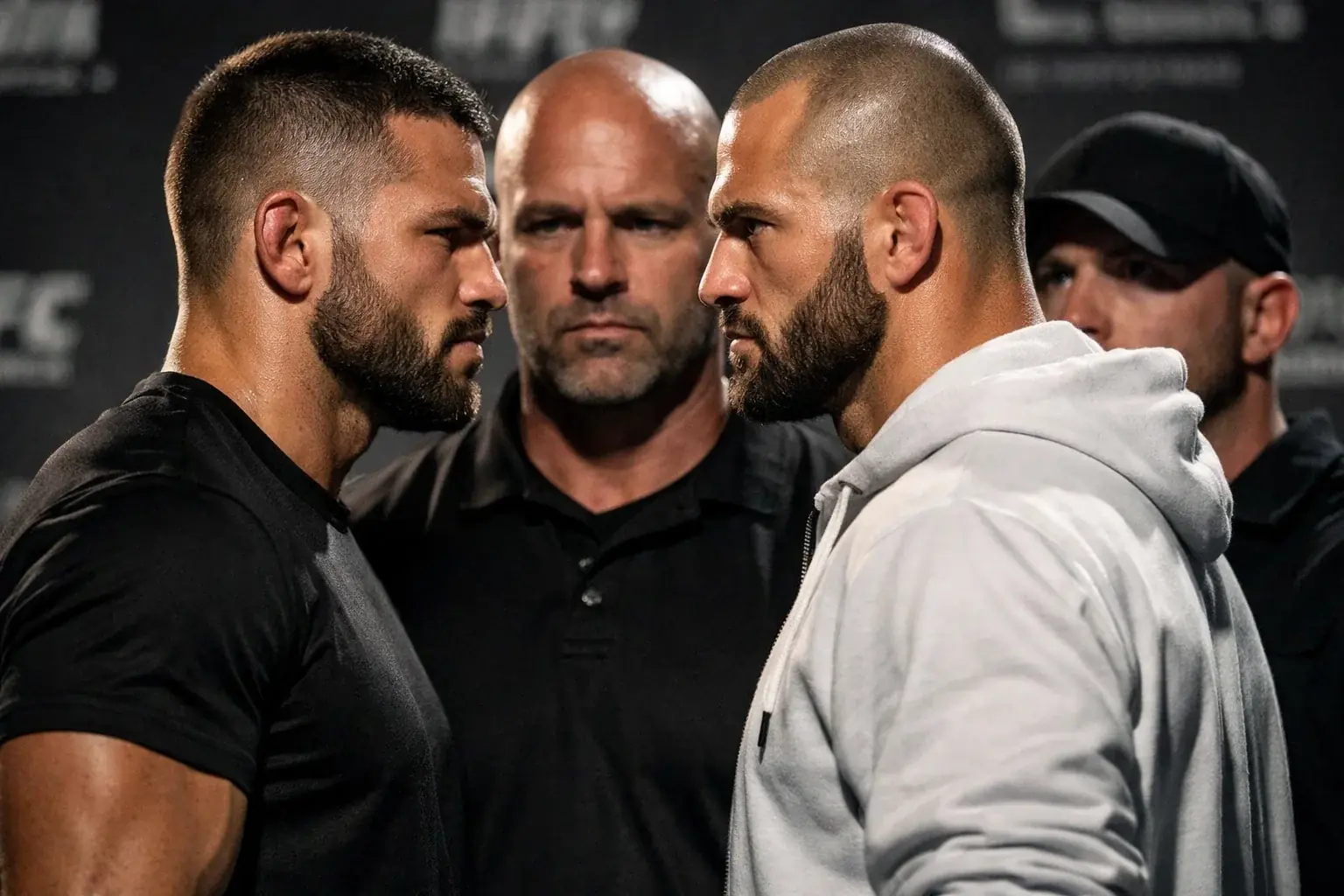
Main events demand the deepest analytical investment and often present the most efficient betting markets. The combination of maximum research effort against sharp market pricing creates challenging conditions for finding edge, yet the importance of main events to overall card results makes this effort worthwhile.
Championship fight analysis begins with recognizing the structural advantages champions typically hold. Beyond the obvious—they are champions because they have proven elite—title holders have experience with five-round pacing that first-time challengers lack. Champions have navigated the mental pressure of title fights before. They have demonstrated ability to perform at the highest stakes. These factors contribute to historical champion win rates that exceed what pure skill comparison might suggest.
Five-round considerations fundamentally alter how fights unfold compared to three-round contests. Cardio becomes more important as the fourth and fifth rounds expose conditioning limitations that shorter fights might not reveal. Fighters can afford slower starts, investing early rounds in information gathering before increasing output. Accumulation of damage matters more when additional rounds allow compounding effects. When analyzing championship fights, explicitly consider how the extended format affects each fighter’s prospects rather than simply extrapolating three-round tendencies.
High-profile bout factors beyond pure fighting ability sometimes influence outcomes. Media obligations, promotional demands, and psychological pressure affect fighters differently. Some competitors thrive under spotlight attention while others tighten up when stakes escalate. Historical performance in significant fights—not just wins and losses but how fighters looked under pressure—provides data points for assessing likely responses to main event circumstances.
Sample main event breakdown illustrates the analytical process. Consider a hypothetical championship fight between an established champion known for wrestling dominance and a challenger with elite striking but questions about takedown defense. The analysis examines whether the challenger’s defensive wrestling has actually been tested against championship-caliber grapplers or merely adequate regional wrestlers. It considers whether the champion’s striking has improved enough to threaten standing or whether they remain primarily dependent on grappling. Five-round implications get explicit attention—does the challenger have the cardio to defend takedowns for twenty-five minutes, or will late-fight fatigue create openings the champion can exploit?
The analysis produces not just a pick but a thesis about how the fight unfolds. This thesis guides bet selection beyond simple moneylines. If you believe the champion’s wrestling will dominate, method of victory and round betting markets might offer better value than moneyline odds that already reflect wrestling favoritism. If you think the challenger’s power creates knockout risk that markets underestimate, backing the underdog with method specifications could provide superior returns.
Main event picks should emerge from this comprehensive process rather than snap judgments based on name recognition or recent results. The depth of analysis should match the importance of these fights to your overall betting results and the efficiency of markets pricing them.
Finding Value on Undercards
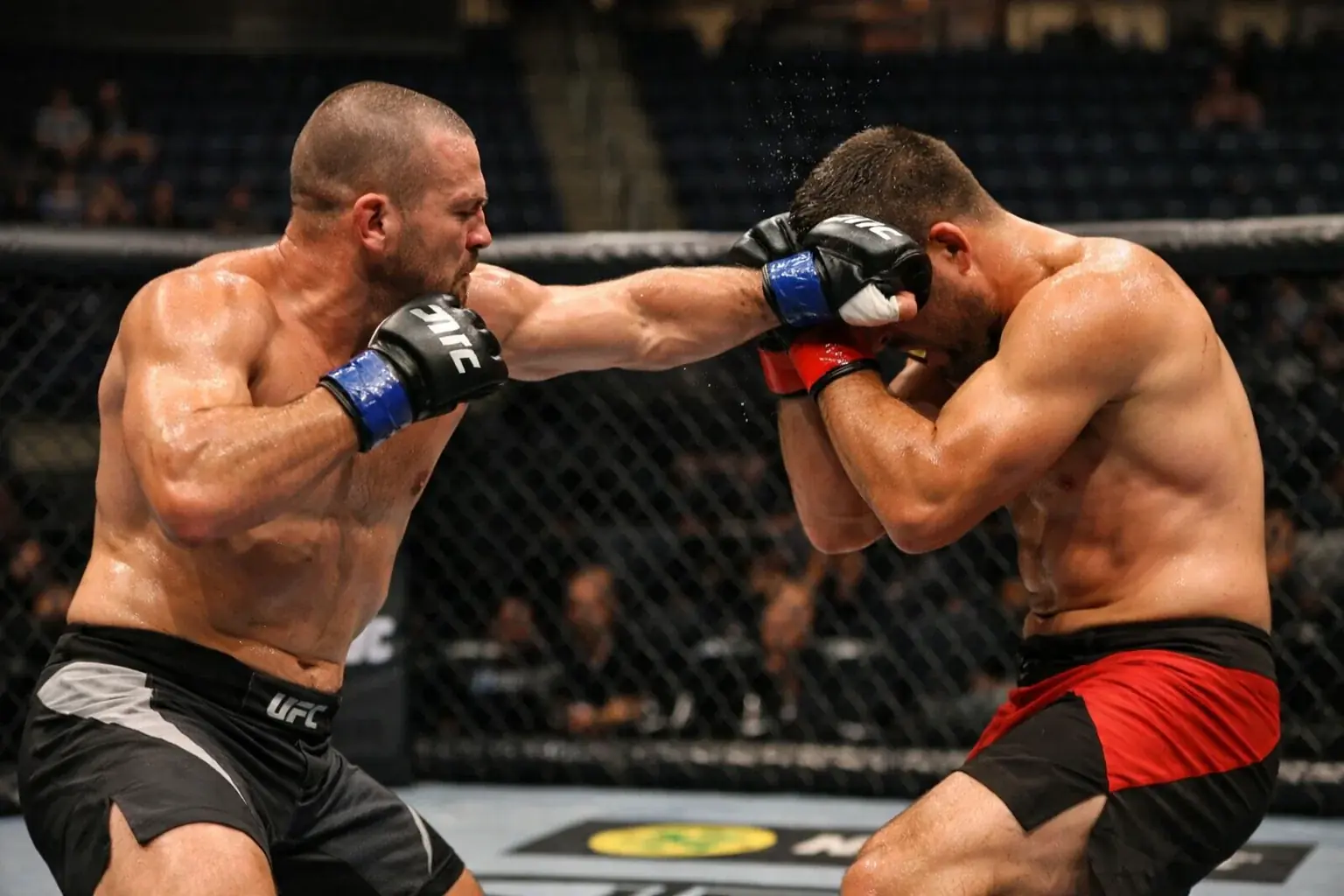
While main events attract the most attention, preliminary and early main card fights often present superior betting opportunities. Lower market efficiency, less sharp attention, and pricing that sometimes reflects casual perception rather than careful analysis create conditions where edge appears more frequently.
Why prelims offer value comes down to market dynamics. Casual bettors focus on main events featuring familiar names, leaving preliminary fights to those willing to invest research time. Sportsbooks may set less precise lines on fights generating limited betting volume. The combination means your analysis competes against thinner fields of informed bettors, potentially creating larger gaps between your assessed probabilities and market odds.
Prospect versus veteran matchups appear frequently on preliminary cards and often feature exploitable dynamics. Young fighters with limited UFC experience but significant upside face aging veterans whose best performances lie years in the past. Markets sometimes overprice veteran name recognition while undervaluing prospect trajectory. When a 23-year-old with three UFC fights and clear improvement curve meets a 36-year-old former contender on a four-fight skid, careful analysis of current form versus historical reputation can reveal mispricing.
Regional and international fighters making UFC debuts or competing in early UFC appearances create information asymmetries that research can exploit. Casual observers may know little about a Brazilian prospect dominating regional circuits or a Dagestani wrestler who has mauled everyone he has faced. Bettors willing to seek out footage from international promotions, study regional statistics, and evaluate competition quality can develop informed views that markets pricing these fighters have not fully incorporated.
Sample undercard analysis demonstrates the process. Consider a preliminary fight between a UFC newcomer with an undefeated regional record and a UFC gatekeeper with a losing record against quality opposition but name recognition from longer tenure. Surface-level analysis might favor the established UFC fighter based on experience. Deeper examination reveals the newcomer’s regional dominance came against increasingly difficult opposition, their physical tools exceed the veteran’s declining athleticism, and their training camp provides elite preparation despite their promotional inexperience. This analysis might support the newcomer at plus-money odds that reflect market uncertainty rather than actual probability.
The risk with undercard betting lies in information quality. Less footage exists for regional fighters. Statistical samples are smaller. Fewer analysts have examined these matchups, meaning your research might miss factors that become obvious only in hindsight. Balancing the opportunity from market inefficiency against the risk from information limitations requires honest assessment of what you actually know versus what you are guessing.
Building Pick Confidence Levels
Not all picks deserve equal betting investment. Developing frameworks for categorizing pick confidence helps align stake sizing with analytical certainty, maximizing returns on strongest positions while limiting exposure on speculative plays.
High confidence plays emerge when your analysis reveals clear edges that markets have not fully priced. These situations combine strong analytical conviction with favorable odds—you believe your assessed probability significantly exceeds what the line implies, and you have examined the fight thoroughly enough to trust your evaluation. High confidence picks might represent ten to fifteen percent of total picks but should receive proportionally larger stakes.
Characteristics of high confidence plays include fighters whose styles match decisively against opponents, situations where market perception lags reality due to recency bias or reputation effects, and matchups where your specific expertise provides genuine analytical advantage. The key is not just liking a fighter but having defensible reasons to believe the odds understate their winning probability.
Medium confidence plays represent solid analytical positions with less dramatic edge or more uncertainty in the assessment. You have a view, you have reasons supporting it, but either the odds do not offer substantial value or your conviction falls short of high confidence thresholds. These picks warrant standard unit sizing—participating in expected value opportunities without overcommitting to positions carrying meaningful uncertainty.
Low confidence plays acknowledge that some fights resist clear prediction despite thorough analysis. Two evenly matched fighters in stylistic coin flips, matchups where key variables remain uncertain, or situations where your analysis diverges from sharp consensus without clear explanation all suggest reduced confidence. Low confidence picks might warrant reduced stakes, alternative bet types that limit downside, or simply passing entirely when the risk-reward ratio does not justify participation.
Confidence-based staking applies these categories to actual bet sizing. A common framework uses half-unit, full-unit, and double-unit designations corresponding to confidence levels. High confidence plays receive double units, medium confidence receives standard units, and low confidence receives half units or no action. This structure ensures your largest positions align with your strongest analytical convictions while allowing participation in less certain opportunities at appropriate scale.
Avoiding overconfidence requires regular calibration. If every pick feels like high confidence, your standards need adjustment. If high confidence plays win at similar rates to low confidence plays, the categorization provides false precision. Tracking results by confidence level reveals whether your self-assessment actually predicts outcomes, enabling refinement over time.
Weekly Pick Process

Establishing consistent weekly routines transforms UFC betting from ad hoc guessing into systematic analysis. The regularity of UFC events—typically weekly cards throughout most of the year—supports process development that compounds learning and improves results over time.
Monday initial card review begins each betting week. When the UFC announces fight cards, scan the full lineup to identify which fights warrant detailed analysis. Not every fight deserves equal attention; some matchups feature fighters you have not studied, compete in divisions you do not follow closely, or present dynamics you cannot evaluate confidently. Early identification of focus fights prevents wasted effort on matchups you should skip anyway.
The initial scan produces a prioritized research list. Main events and co-main events typically receive highest priority given their betting significance. Fights featuring familiar fighters whose tendencies you understand warrant inclusion. Matchups with apparent inefficiencies—newcomers facing veterans, stylistic clashes with clear implications, situations where line movements seem disconnected from fundamentals—deserve investigation. Fights without clear research angles might receive minimal attention or none at all.
Wednesday deep dive research represents the analytical core of the weekly process. With focus fights identified, invest concentrated time examining each matchup thoroughly. Review fighter statistics, watch recent fight footage, research training camp developments, and assess stylistic matchup dynamics. Document your analysis in written form—the discipline of articulating reasoning exposes logical gaps that casual thinking might miss.
The deep dive should produce preliminary positions on each focus fight. These are not final picks but informed views based on comprehensive research. Note which positions feel strongest, where uncertainty remains, and what additional information would affect your assessment. Identify specific questions that fight week developments might answer.
Friday final analysis incorporates fight week intelligence into preliminary positions. Weigh-in observations, late news developments, and odds movements either confirm or challenge your Wednesday assessments. Finalize picks for fights where conviction remains strong and adequate value exists. Downgrade or eliminate positions where new information undermines your thesis or where odds have moved to eliminate value.
The Friday session produces your actual betting slate. Document not just picks but reasoning, confidence levels, and planned stake sizing. Having written records of pre-fight analysis enables honest post-fight evaluation—you cannot selectively remember analysis that supported actual outcomes while forgetting reasoning that proved incorrect.
Saturday live adjustments accommodate the reality that some relevant information only emerges on fight day. Warm-up observations before fighters enter the octagon occasionally reveal movement issues or apparent nervousness. Early card results might indicate judging tendencies or refereeing approaches worth noting. Live betting opportunities arise during fights when odds diverge from what you are observing.
Live adjustments should complement rather than replace pre-fight analysis. The goal is not rebuilding your entire card on fight day but rather responding intelligently to genuinely new information while maintaining discipline around positions developed through systematic research.
Tracking and Improving
Recording betting activity creates the foundation for long-term improvement. Without accurate records, you cannot honestly evaluate your performance, identify patterns in successes and failures, or refine your process based on evidence rather than selective memory.
Recording your picks requires capturing more than just outcomes. Document the pre-fight reasoning supporting each selection, the confidence level assigned, the odds obtained, and the stake risked. This comprehensive recording enables analysis that simple win-loss tracking cannot support. You might discover that certain types of picks consistently outperform while others lag, information that shapes future bet selection.
Analyzing results over meaningful sample sizes reveals performance patterns that individual fight outcomes obscure. Evaluate your accuracy by confidence level—do high confidence picks actually win more frequently than low confidence selections? Examine performance by bet type, weight class, card position, and other segmentations that might reveal specific strengths or weaknesses in your analytical approach.
Identifying leaks requires honest assessment of where your process breaks down. Perhaps you consistently overvalue knockout power while underestimating grappling threats. Maybe your underdog picks outperform favorites, suggesting you should shift betting emphasis. Possibly certain weight classes or fighter types expose blind spots in your analytical framework. Without tracking, these patterns remain invisible; with tracking, they become improvement opportunities.
Continuous improvement applies insights from result analysis to refine future processes. Adjust confidence calibration if self-assessment does not predict outcomes. Shift research emphasis toward areas generating better returns. Eliminate bet types or situations that consistently underperform. The goal is compounding learning across events, building expertise that produces better results over time.
The tracking discipline separates professionals from recreational bettors. Entertainment-focused wagering does not require record keeping—the experience itself provides value. Profit-focused betting demands accountability to results, and accountability requires records that enable honest assessment.
Conclusion
Developing winning UFC picks requires structured processes that transform fight analysis into actionable betting positions. Understanding card structures, building systematic research routines, calibrating confidence levels, and tracking results for continuous improvement together create frameworks for sustainable success.
The fighters competing in the octagon have spent months preparing for their moments. Their camps involve systematic skill development, strategic preparation, and disciplined execution. Bettors seeking consistent returns should approach their craft with similar professionalism, recognizing that profitable UFC betting emerges from repeatable processes rather than occasional lucky guesses.
Prepared by the ufc Betting editorial staff.